
22 November 2013 Golfito to Bahia de Caraques, Ecuador (Day 1)
I was up early remembering that I needed to send another email to our agent in the Galapagos who is arranging an Autographo (cruising permit) for us. Having sorted out my last bit of admin, I downloaded another GRIB file, which still showed light westerly winds for today, so we were good to go.
I put the clocks forward an hour to Ecuadorian time and we dropped the mooring at eight o'clock. As usual, our boat speed indicator wasn't working, so I had to go down below and clean the impeller - there was a massive barnacle that had built its shell between the paddle wheel and the housing. I dread to think what the growth on the bottom would be like if we'd stayed any longer than 10 days.
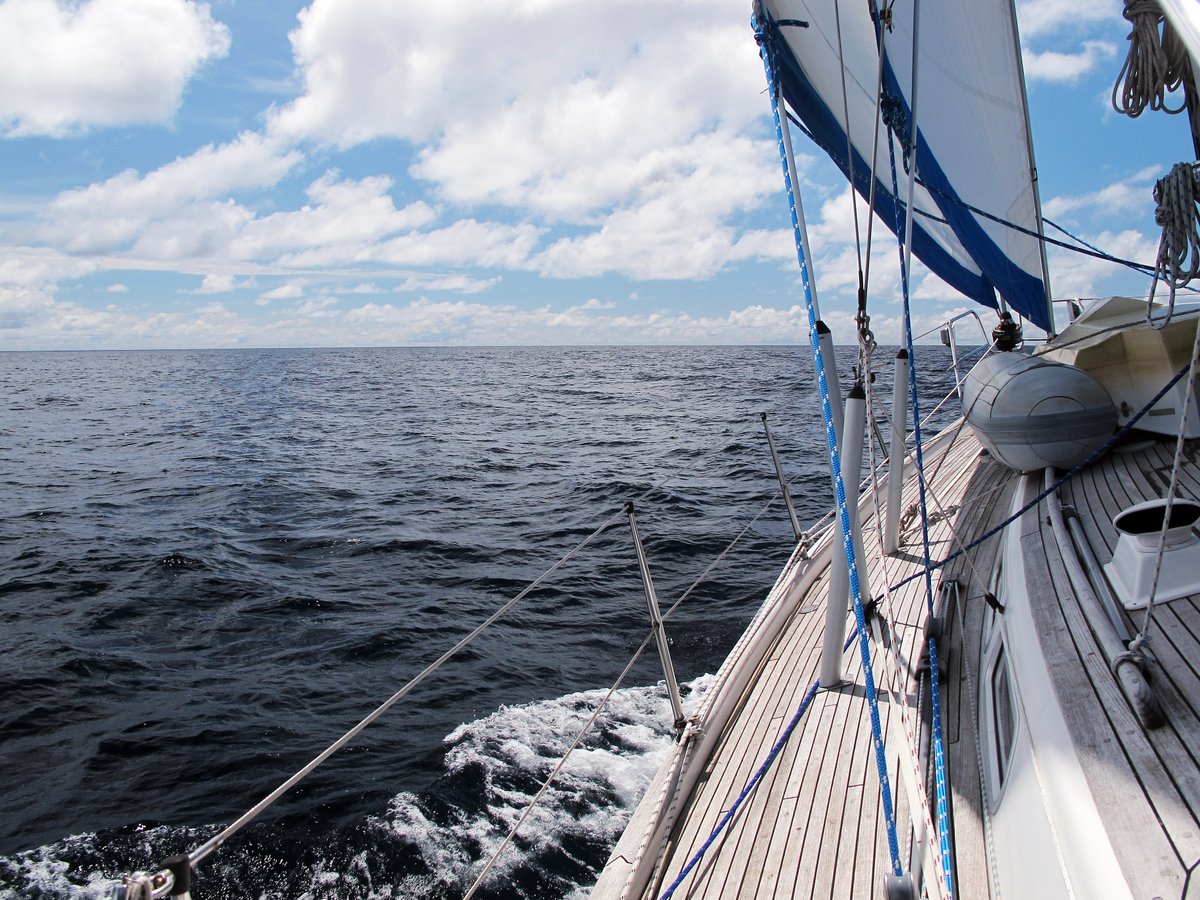
We had to motor the twenty miles across Golfo Dulce because the winds were light and flaky, but once clear of the peninsula, the wind settled to 10-14 knots from the west and we had a cracking sail all day. We were hard on the wind, but the seas were pretty calm, so it was a pleasant enough motion. Also, we were able to maintain a course of south-west, which was perfect - it's nice when a plan comes together.
As usual on the first day of a multi-day passage, I was restless. I'll not be fishing for a couple of days because Glenys has enough food in her fridge and I don't want to spend much time down below until I get my sea legs. So I spent most of the day reading and waiting for the next meal - the Cassoulet that we ate as the sun set was much appreciated.
As it went dark, I put a reef in the main and went to bed at seven o'clock leaving Glenys on the first three hour watch. It was a lovely night sail - the winds stayed consistent and we bowled along at 6 knots using our Hydrovane wind steering. As forecast, the winds started to back to the south-west and dropped a little, so by dawn we were sailing at only 4 knots, on a course of 200 degrees taking us more south, but I'm happy enough with the amount of westing that we've achieved so far.
23 November 2013 Golfito to Bahia de Caraques, Ecuador (Day 2)
I downloaded a GRIB file and there wasn't much change in the wind forecast. It will be around 10 knots from the west until we get far enough south to be clear of the Inter Tropical Convergence Zone (ITCZ), then the prevailing winds will back to the south and increase.
I reckon that we'll be free of the ITCZ when we reach 3 degrees north, probably tomorrow night, so we'll stick to the plan of heading south to south-west for another day, which will leave us with a south-east heading to our destination.
The morning was pleasant, plodding along at five knots in fairly calm seas. The wind direction was good to us and we were able to ease the sheets a little bit.
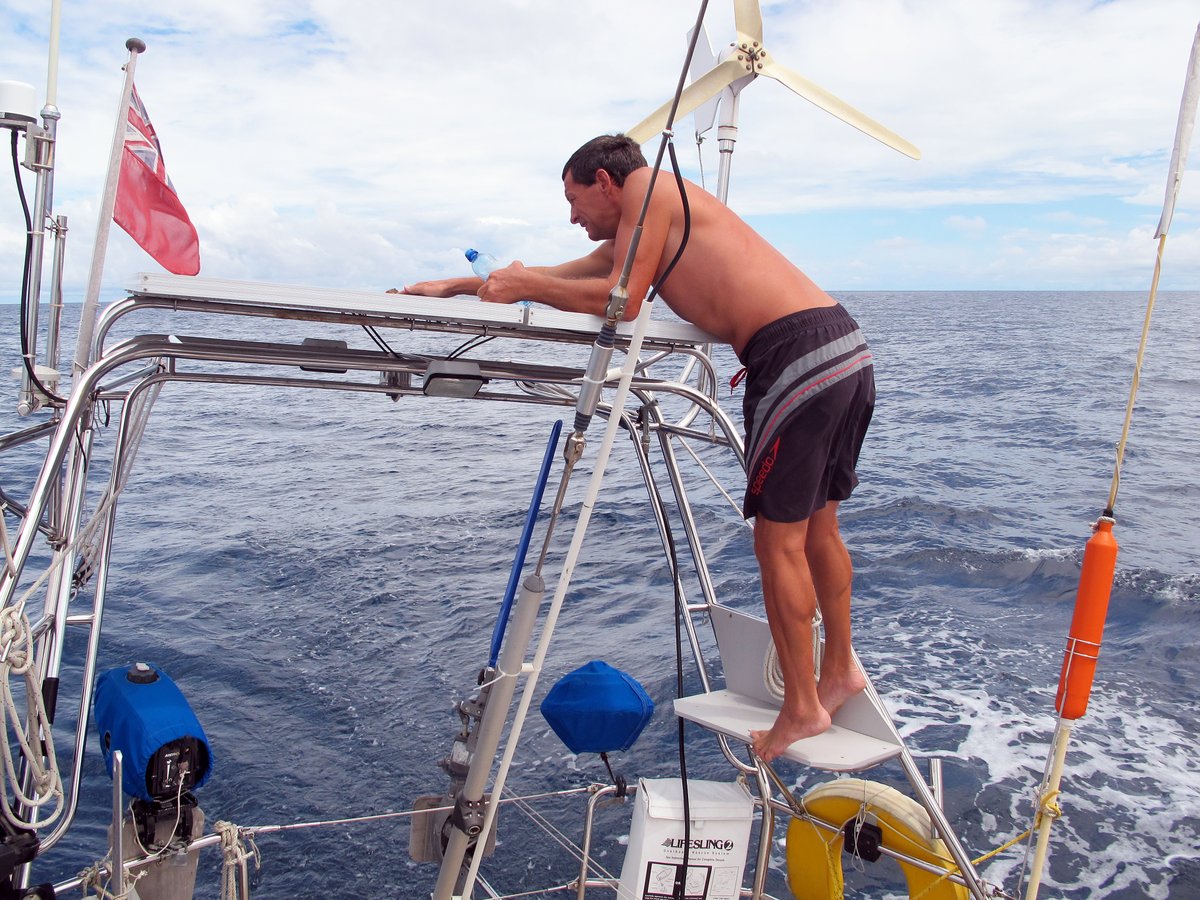
Last night we had a Brown Booby hitch a ride with us. It perched on the pulpit for a while, but sometime during the night it moved and squatted on our solar panels, which make a lovely landing platform. Now I normally like to see nature up close, but do you realise how much guano a huge booby can produce? The bloody thing had covered 25% of my lovely solar panels in thick, dried bird poo. It was a mission to get it off, balanced precariously on the edge of our arch.

In the early afternoon, a nasty looking squall line appeared ahead of us. We rolled away the genoa, turned on the engine, then altered course to try to avoid the worst of it, but we still got some heavy rain for an hour. Fortunately, the system didn't have any strong winds or lightning.
The afternoon remained unsettled and, as darkness fell, another big squall line appeared in front of us - thankfully it dissipated before we got to it. These huge weather cells are an unfortunate (and scary) part of sailing through the ITCZ - I'll be so glad to be south of it all. We've had nearly six months of dealing with these systems and I'm weary of it now.
On my 10 - 1 watch, we approached a brightly lit fishing boat. I turned 30 degrees to port to avoid it, but then saw a couple of white lights ahead of us. I wasn't sure if the lights were other boats in the distance, or if they were fishing buoys at the end of a long net close to us. It's a nightmare trying to figure out what fishing boats are doing.
The International Regulations for the Prevention of Collisions at Sea (COLREGS) specify that fishing vessels should display certain colours of lights to indicate if they're actively fishing with nets or trawling, but I've never been able to figure it out. Fishing boats normally have so many deck lights on that even if they displayed correct lights it would be difficult to see them.
Anyway, we were only doing three knots through the water, so I kept altering course to avoid passing between the lights and the fishing boat in case it was a fishing net. After twenty minutes of stress, I finally worked out that the small white lights must be other boats travelling away from us, a long distance away, so I was able to come back onto our original course.
Half an hour later, I caught up with the small white lights, which turned out to be a huge ship heading in roughly the same direction as us. He must have been embarrassed that a mere sailing boat had caught him up because as I got to within a mile, he increased his speed and disappeared over the horizon. We're 200 miles from land and it's like rush hour.
Glenys had a fairly quiet watch apart from when she was hit in the head by a Flying Fish - she popped her head around the spray hood to check for other boats and Wham! Fortunately, it was only a little one. A slightly bigger one landed on the port deck, which I'll be using for bait when I'm allowed to fish.

24 November 2013 Golfito to Bahia de Caraques, Ecuador (Day 3)
By daylight, we were surrounded by rain showers and being forced onto a more southerly course by the backing wind - a little earlier than I expected. The wind had picked up and so had the waves making for a bouncy motion heeled over at 20 degrees.
The morning GRIB showed the winds increasing for the next few days to 15-20 knots, and the effects of the ITCZ staying with us until we get to nearly 2 degrees north. Sure enough, during the morning, we had a pronounced wind shift backing to nearly south and increasing to 15-20 knots. This forced us hard on the wind on a course over the ground of 145 degrees, which is directly towards our destination. I hope that the wind doesn't back any more, otherwise we'll have to throw in a couple of tacks.
We've settled into a routine now and, despite the bouncy conditions, life isn't too bad. We have our three hour watches overnight, then I have a couple of hours' kip in the morning, Glenys has a couple of hours in the afternoon, then it's dinner at six o'clock, showers and I go back to bed at seven o'clock. We hardly see each other apart from at meals.
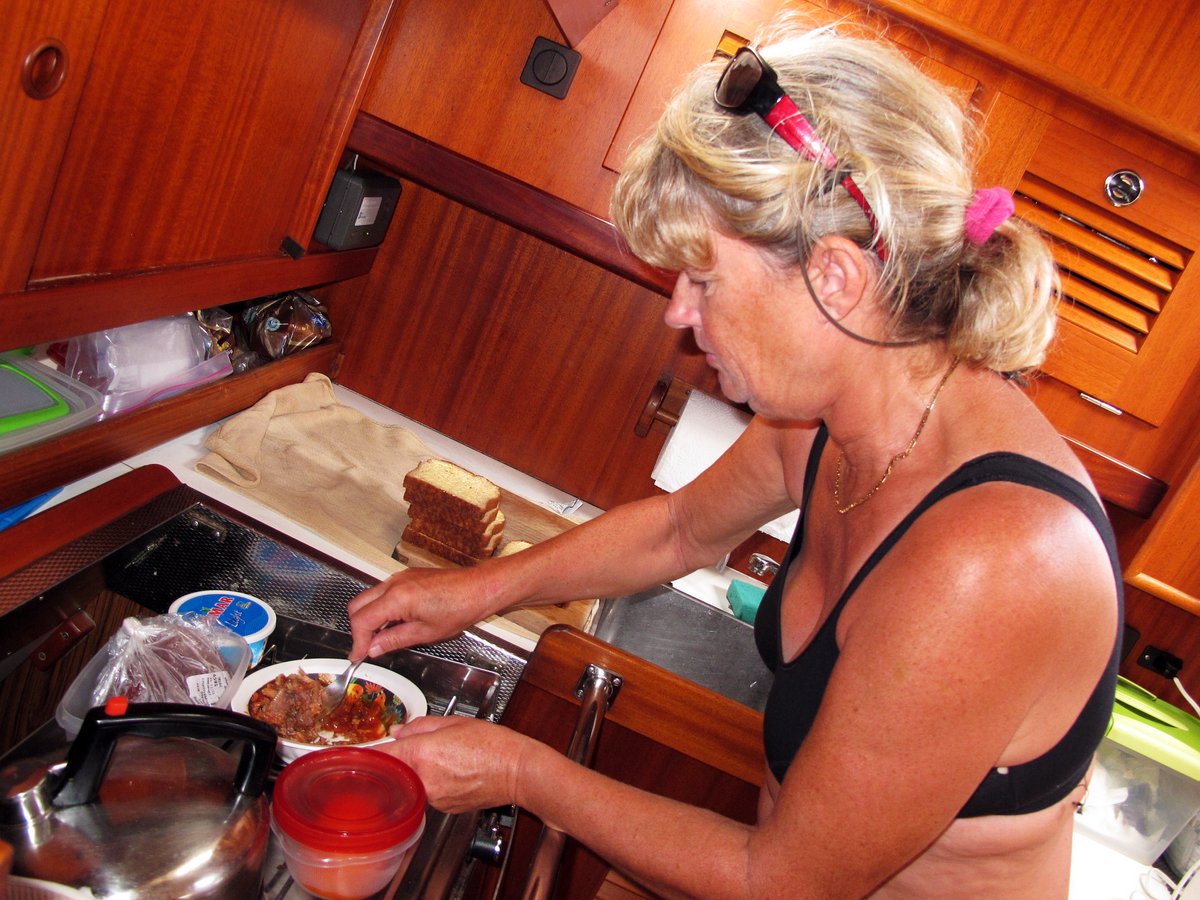
It was a bit rough today, so I didn't do any fishing, mostly because I can't face the thought of cleaning the fish while we're bouncing around so much - maybe tomorrow.
Our main entertainment today was a small Swallow who hitched a ride. It couldn't seem to settle anywhere, trying to perch on winches, ropes, the cockpit sole, the side deck and it totally ignored the small, comfy nest that we made from a tea towel. Eventually, it discovered the companion way down into the saloon and we had to keep chasing it out, sometimes having to physically grab hold of it. It became such a pest that we finally locked it in the front heads with some bread and water - we didn't want swallow poo everywhere down below, thank you.

As the sun went down, we were approaching a huge line of very dark clouds, stretching as far as the eye could see. There was no way to avoid it so we plunged straight in. The wind increased over 20 knots and veered around, but surprisingly there was very little rain. I stayed up for an extra hour to make sure that nothing bad was going to happen, and then crashed out at eight o'clock.
It was still overcast and as black as the ace of spades when I got up at eleven o'clock, but at least the wind was back down to 15-20 knots, we were making good speed and our course over the ground was still 145 degrees.
The only good thing about it being very dark is that as we crash through the waves, the sea illuminates with millions of bright phosphorescent specks of light. At one point, we had a pod of dolphins join us and the streaks of light that they made in the water were spectacular.
When I came back on watch at five o'clock, I noticed that the foot of the genoa was vibrating badly, so I tacked, left the sails backed and hove-to. What a difference! We went from bucking bronco to calmly lying there, gently riding the waves.
The velcro on the thin tensioning line for the foot of the sail has pulled away, so the foot of the sail was loose and flapping. I lashed on a bit of 3 mm line and pulled it tight as a temporary measure - another job to do in Ecuador. I left the sails backed, gybed and we were off again, crashing our way to windward. I seem to have stopped the vibration of the genoa, fingers crossed.
25 November 2013 Golfito to Bahia de Caraques, Ecuador (Day 4)
Dawn revealed grey, overcast skies, but it was nice to see the horizon after such a dark miserable night. Our eight o'clock log showed that we'd done 390 miles in 3 days, with 255 miles still to go. I've emailed Puerto Amistad to tell them that our ETA is dawn on the 27th. They should arrange for a pilot to come on board Alba to guide us across the sand bar at the mouth of the Rio Chone.
Our electronic charts show that the minimum depth on the entrance to Bahia de Caraques is only 0.6 metres, so it's essential that we go in around high tide which will be 2.3 metres at 10:40. We'd like to arrive at the pilot waiting area two hours before high water at half past eight.
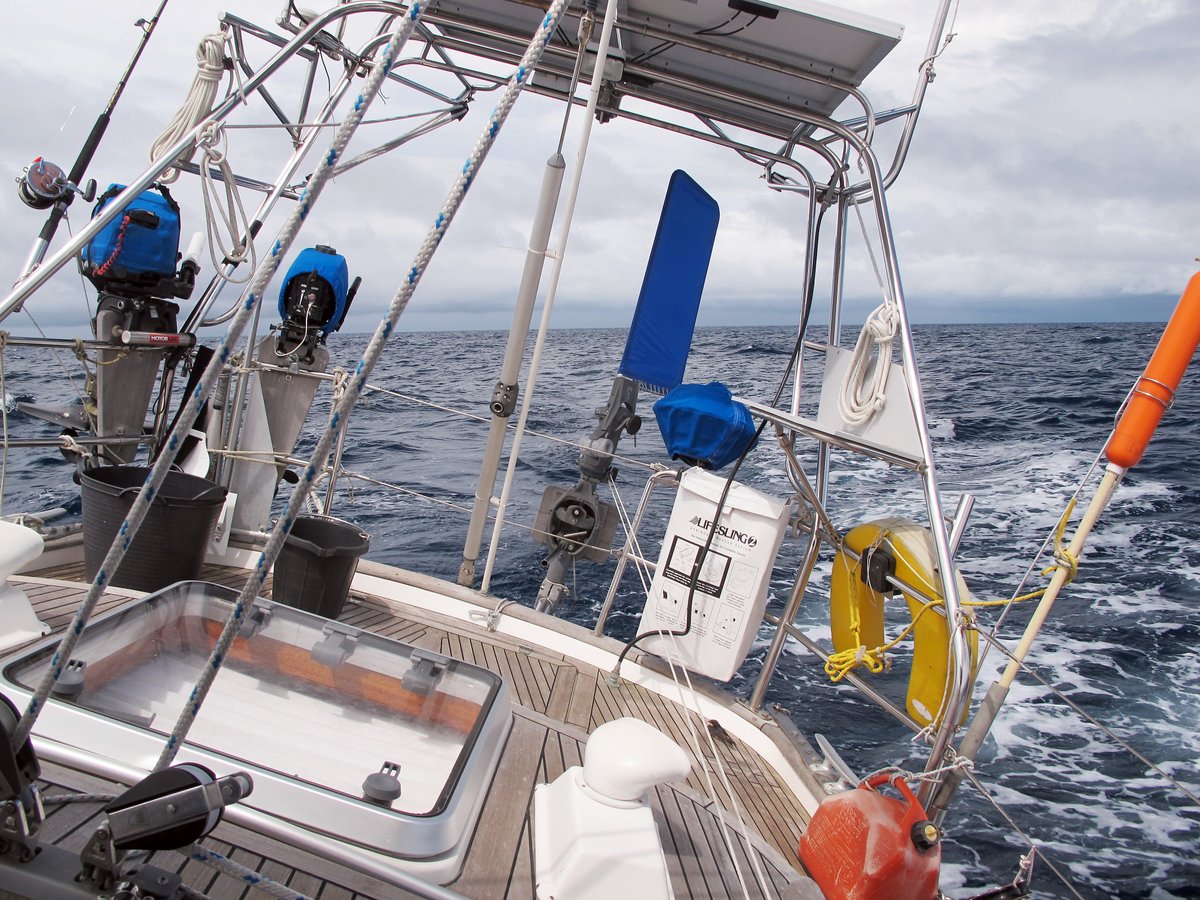
The morning GRIB file showed that the wind was forecast to drop slightly to 15 knots and to veer by 10 degrees during the day. It should drop further to 10 knots tomorrow night. With 260 miles to go, we're going to have to average 5.5 knots if we want to arrive in time, so we need to keep piling on the pressure. If the wind drops then hopefully the seas will calm down and we can motor-sail to make up the time.
Unfortunately, the cute little Swallow that we locked in the front heads was dead this morning. It's no great surprise. We've had quite a few of these birds hitch a ride over the years and they always die overnight. I reckon that they get sucked into thunderstorms, become disorientated and are irrecoverably exhausted by the time that they land on us.
We had a pleasant sunny day - sailing hard on the wind, but the seas weren't too bad. I put out a couple of fishing lines in the afternoon, but no joy. Instead of fish, Glenys rustled up a nice chilli for dinner sprinkled with fresh cilantro and some home-made guacamole on the side - very nice.
At sunset, I put our usual precautionary reef in the main-sail and I was glad that I did because by midnight it was blowing 20-25 knots and I had to put another heavy reef in the genoa. On the positive side, we were hammering along at about 6 knots managing to stay above the rhumb line to our destination.
An hour later, it was gusting to 30 knots, we were heeled over to 30 degrees and taking big walls of water over the bow. Gritting my teeth, I put on my swimming shorts, groped my way forward and put a second reef in the main. After that, the motion was much better and our speed increased - result! It calmed down a little on Glenys's 1 to 4 watch and by dawn we'd shaken out the reef in the genoa.
26 November 2013 Golfito to Bahia de Caraques, Ecuador (Day 5)
At seven o'clock in the morning, we passed through 1 degree North, just 60 miles from the equator. It's grey, overcast and surprisingly cold. I actually had to wear a fleece during my 4 to 7 watch - first time for ages.
Our eight o'clock log showed that we'd done 530 miles in 4 days, with 115 miles still to go. We're still hoping to get to the entrance tomorrow morning, but we seem to have a 0.5 knot current against us now and the wind has backed again, so we're dropping below the rhumb line. I guess that if we miss the tide window, we'll have to go 20 miles north to Cabo Passado, which is a poorly protected anchorage, or go back out to sea overnight. The morning GRIB file showed that the wind was forecast to remain around 15 knots, then back a little in the evening and drop to 10 knots around midnight.
We had a rough day with strong winds and waves big enough to stop us dead every so often. By midday, we had two reefs in the main and 20-25 knots winds, but occasionally the sun peeked out from behind the clouds brightening our spirits. We were making good progress - by three o'clock, we had 80 miles to go and were just managing to hold a course directly to Bahia de Caraques. If we could just maintain 5 knots, we'd be there by seven o'clock in the morning.
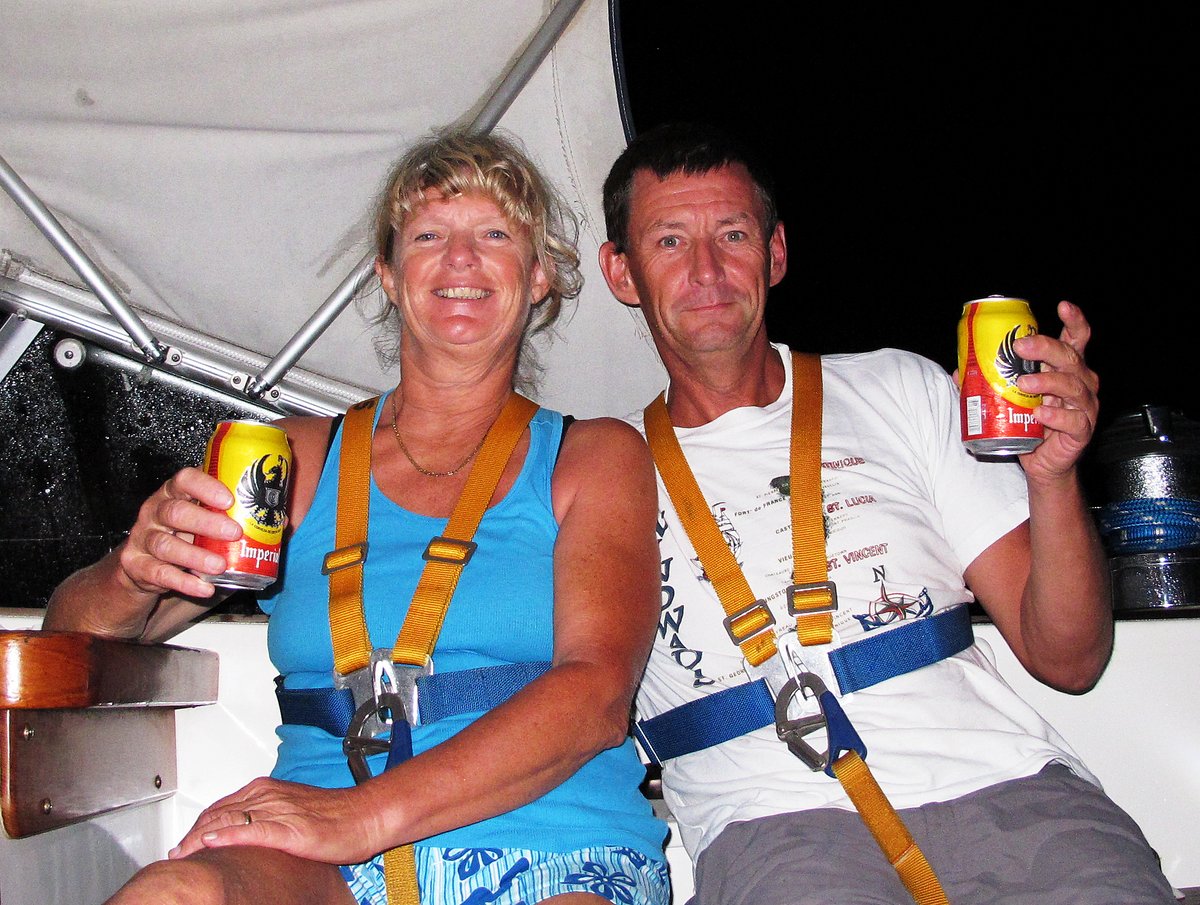
The wind dropped off to 15 knots while we had dinner. I went to bed at seven and got up an hour later to celebrate crossing the Equator with Glenys. The Royal Navy has a very elaborate ceremony to honour Neptune, the god of the sea - ours was a much more subdued affair. We counted down the approach to the equator like you would do at New Year and then popped open a celebratory beer, giving half of it to Neptune as an offering to look after us. We're now in the southern hemisphere!
It was all go at our ten o'clock change of watch. There was a ship on our port side about to cross in front of us and a fishing boat with what looked like a mile long net to starboard. To add to the excitement, the wind picked up gusting to nearly 30 knots, forcing us to reef the genoa - a hectic 20 minutes. We were now 43 miles from our destination, romping along at six knots, feeling confident about making our approach at dawn.
27 November 2013 Golfito to Bahia de Caraques, Ecuador (Day 6)
Just after midnight, we were only 27 miles from the outside anchorage where we should meet the pilot, so I rolled away the genoa to slow down and we bumbled along at 2-1/2 knots with a very heavily reefed mainsail and the stay-sail. By four o'clock, the wind had dropped, so we were motoring. We came across a fishing boat with some bright vertical white lights and a green and red flashing light. There was another boat with the same sort of lights about a mile away. This looked suspiciously like they might have a net strung between them, so we circled around the outside of the nearest one.
We anchored outside the entrance to the estuary just after seven o'clock to wait for the pilot to come out to us. We were about a mile from land, the sun was shining with a nice light breeze and we were relishing not being heeled over.
Looking back, the passage was almost perfect; we did 650 miles in exactly 5 days averaging 130 miles per day (5.4 knots). Our strategy of heading south-west from Golfito worked well and we stayed on starboard tack all the way with no nasty morale-breaking tacking. We were hard on the wind for the whole trip, but it wasn't too unpleasant.
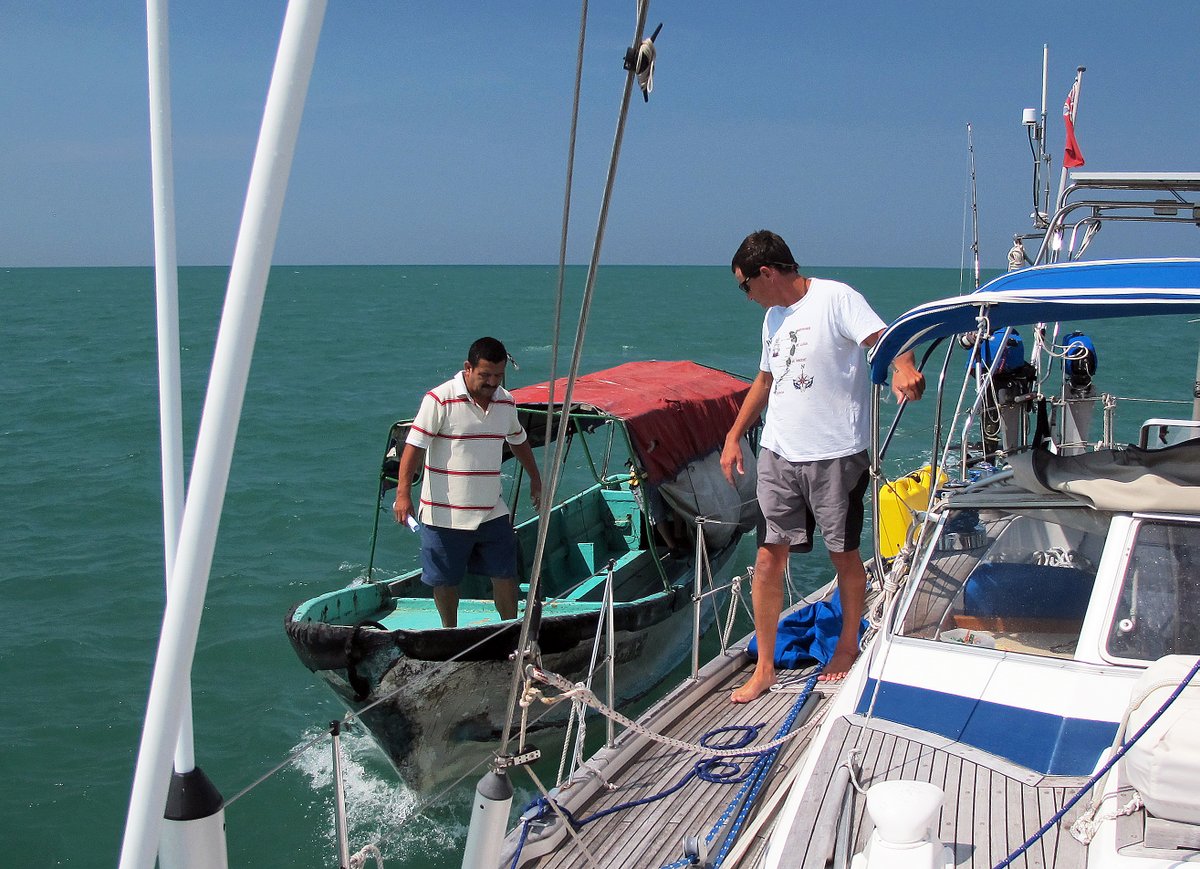
At eight o'clock, I started to call Puerto Amistad marina, but no one answered on channel 69. I tried to call the owner, Tripp, on his mobile phone using our satellite phone, but no answer. I kept trying every fifteen minutes, but no joy. By nine o'clock, I was starting to get worried because high tide was at 10:40. I started to ring Tripp every five minutes and he finally answered at quarter past nine. He said that he’d arrange for the pilot to come out, but it might take 30 minutes because the guy had to get hold of a panga.
Just after ten o'clock, Tripp called us back on the VHF radio told us that pilot on his way, so we upped anchor and motored to meet him. The route into the bay goes very close to shore and the shallowest point that we crossed was 2.3 metres as we were still heading towards the beach – very worrying especially because we were dead on high tide. Once over the bar, the depth increased to 4 or 5 metres and went close around a sandy point between the beach and another shallow bar. After that it was deep water all the way to the bridge which cuts across the estuary.
We anchored just off Puerto Amistad and paid the pilot $30, which was well worth the expense. He took our documents ashore and told us to stay on board until the Health official had come aboard and inspected us.
We had lunch and slept until four o'clock, but still no sign of the Health inspector. There was no answer from VHF 69, so I had to call Tripp on our satellite phone again; he said to go ashore anyway.
The elusive Tripp wasn't at the marina office, but the lady in the office (Veronica) had our documents (apart from the passports which have been sent by taxi to the Immigration office in Manta, 40 miles away.) Veronica is very nice, but only speaks Spanish and doesn't seem to be able to do anything without Tripp – for example, there’s a good internet connection available, but only Tripp can set us up a password. It’s very frustrating.
The health inspector turned up while we were in the office – was it a coincidence or was he waiting for us to go ashore? Anyway, we filled in his form and paid him $5 - he obviously had no intention of making an on-board inspection.
Puerto Amistad is a nice little set-up. It’s not a marina with docks, but is a restaurant with about 20 moorings. They have a good dinghy dock, showers, they do laundry and have Internet, which is about all that we want from a marina. There are about 20 boats here, but not many cruisers around. A lot of people tend to leave their boats and go home or go touring South America.
After being a sea for five days it was great to walk around town, which looks like a nice little place. It’s a bit of a seaside town with blocks of apartments and a nice looking beach. There are loads of small shops and a largish supermarket which looks okay. I think that we’ll be okay here for a few months.
28 November 2013 Bahia de Caraques, Ecuador
It was American Thanksgiving today and there was a pot luck dinner arranged at the marina restaurant.
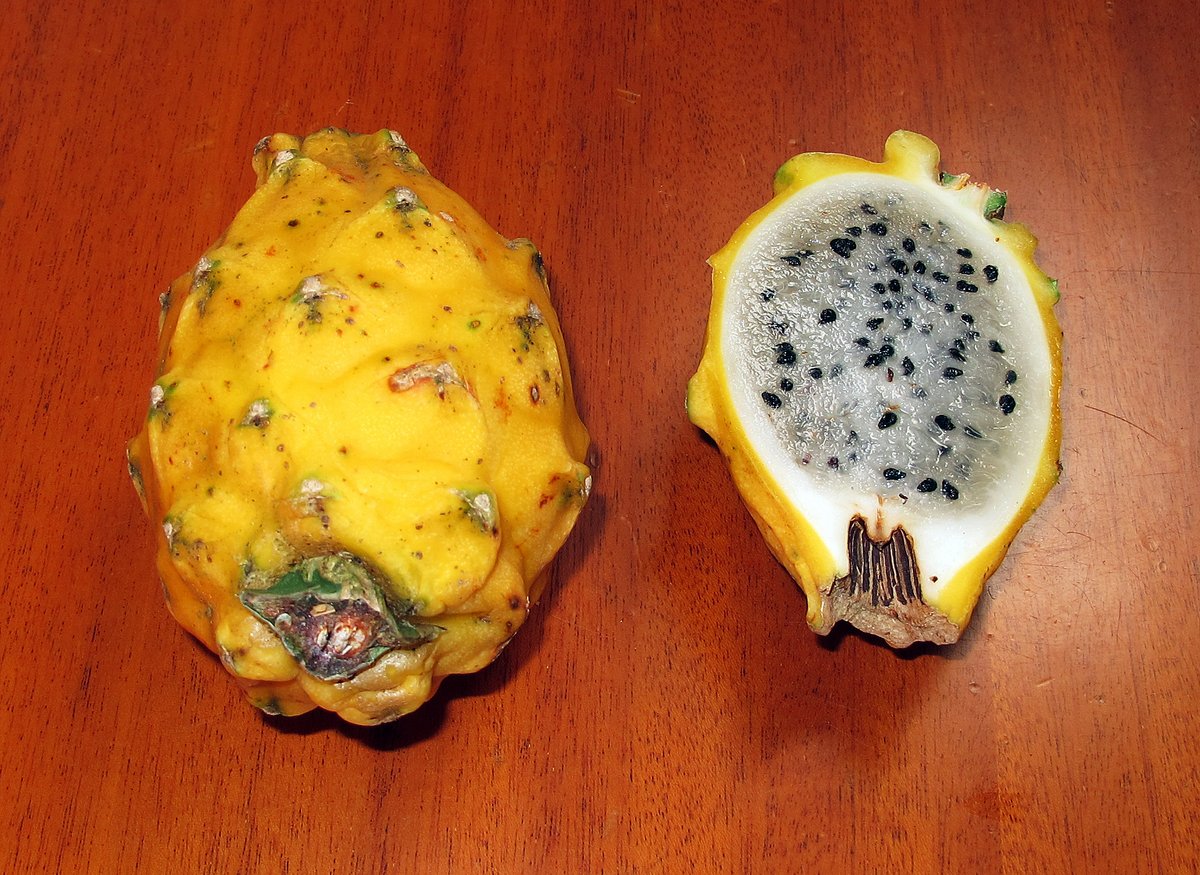
In the morning, we went for walk around town and found the local market, which is very good with lots of vegetables, fish, meat, etc. Glenys bought some fresh strawberries to take to the Thanksgiving dinner and a couple of strange yellow knobbly fruit about the size of a large pear, which turned out to be Yellow Pitaya also called Dragon Fruit. This fruit grows on a cactus and when it’s cut open, there’s pale flesh with lots of seeds, similar to a Kiwi fruit. It’s not too bad, but a little slimy.
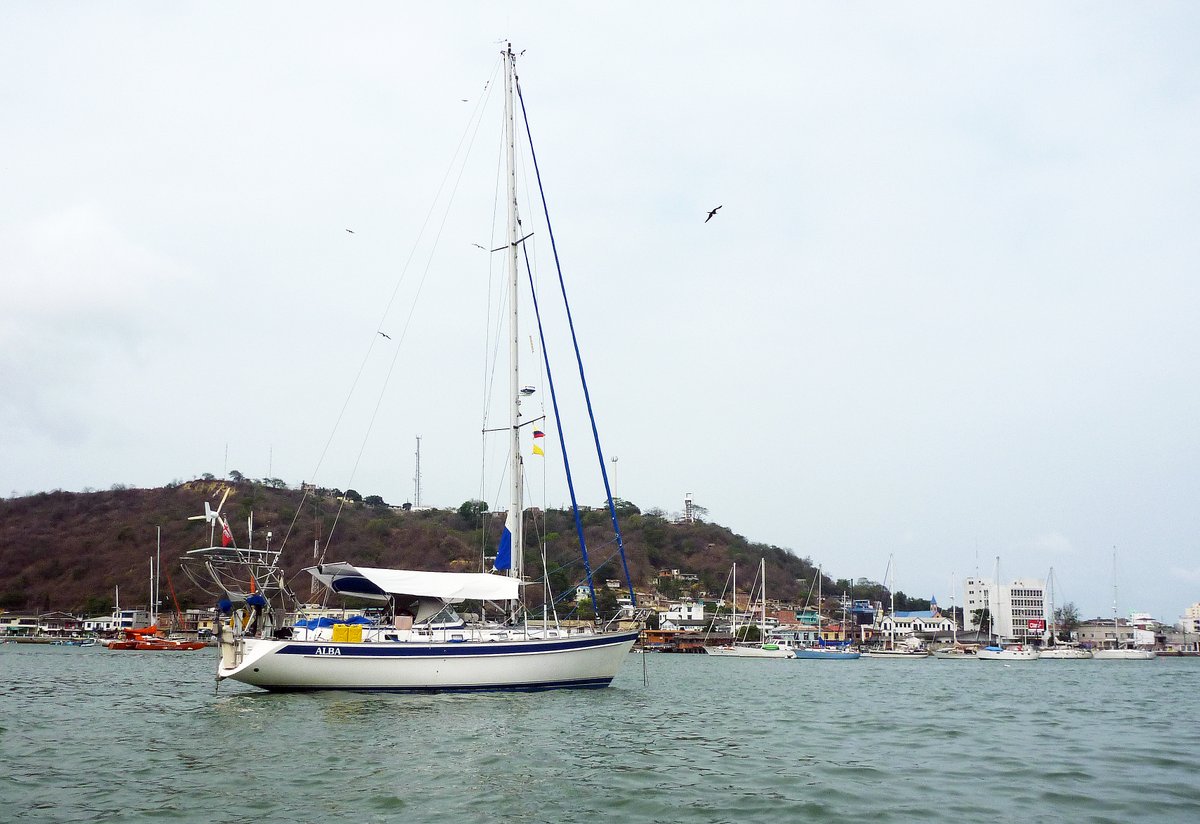
There were over 200 people at the Thanksgiving dinner - a mixture of ex-pats, a handful of cruisers and a large number of locals. Tripp and his wife, Maye, cooked loads of turkey and everyone brought a dish of vegetables or sweets to share. We were told that this is the tenth year that Tripp has organised this and it’s turned into a big annual event in Bahia.
I finally managed to talk to Tripp for a couple of minutes and there should be a mooring available in a few days, when one of the other boats heads north back to Panama.
29 November 2013 Bahia de Caraques, Ecuador
We went ashore to the marina, but there was no sign of Tripp. Veronica in the office had some forms for me to sign for customs and the port captain, but we haven’t got our passports back yet.
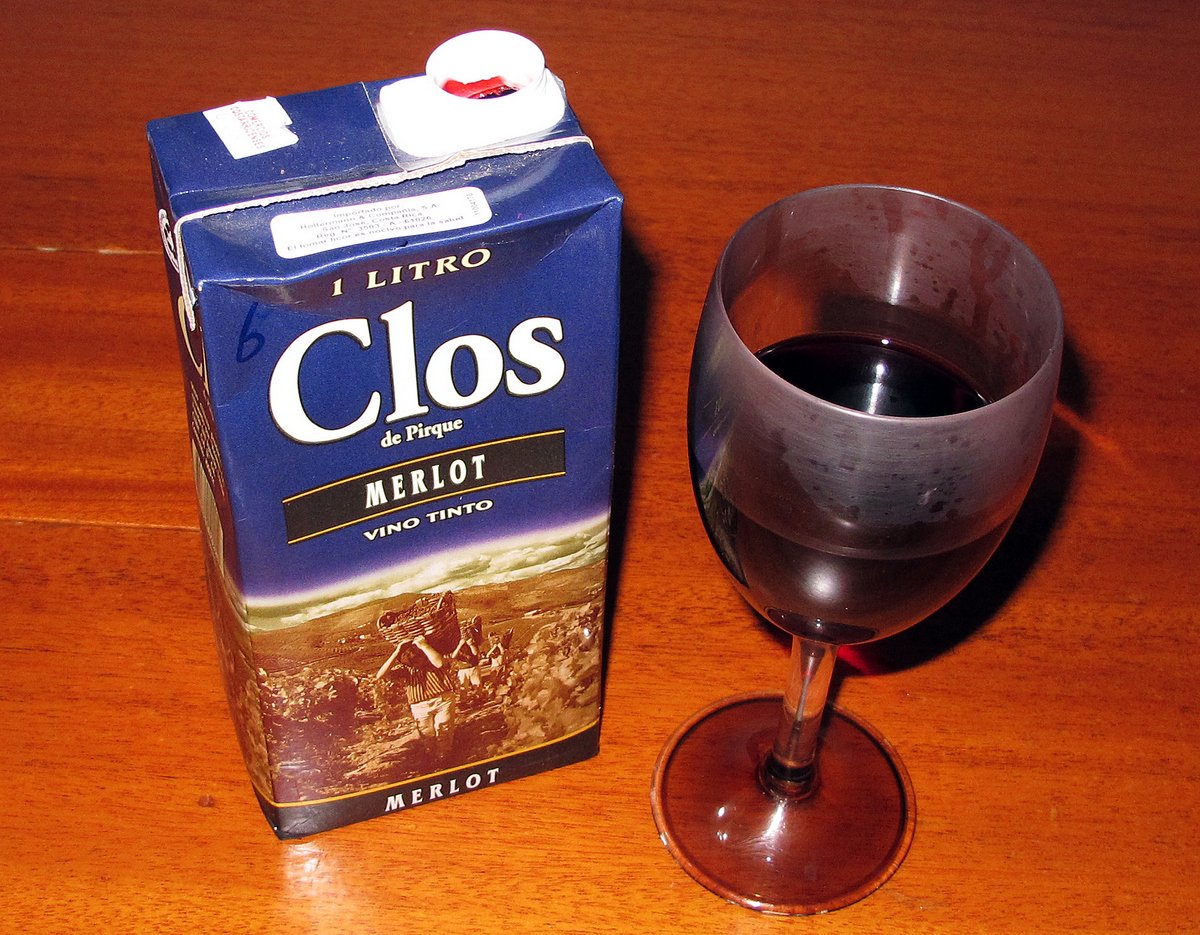
We had a little wander about town checking out what is available in the shops. Imported food seems to be 10-20% more expensive than Panama, but we can get most things that we eat and drink. Beer is only $0.80 per can and they sell “Clos”, which is the boxed Chilean wine that we've been drinking in Panama ("It’s not quite wine, but it’s Clos").
Back at the marina, there was still no sign of Tripp, but Veronica called him and told us that Tripp had sent me an email with the username and password. Errr, if I don’t have an internet connection, how can I get my email? It turns out that they have a free internet connection in the restaurant, so I had to go back to the boat and return to the marina with my laptop to get my emails. We've now got a good Internet connection on the boat, so I'm a happy bunny.
We went out in the evening with Ron and Heather from “Sundancer”, Alan from “Victoria” and Alberto who is an ex-pat living here in Bahia. Alberto took us to a taco bar where we had a burrito and a beer for $3 each. They also sold Pan de Yuca which is a small bread roll made from Yuca (Cassava) flour and cheese – absolutely delicious when warm.
30 November 2013 Bahia de Caraques, Ecuador
I had an administration day. I'm trying to transfer some money between banks and set up a new pension fund. These are all supposed to be on-line accounts, but they want me to fill in paper forms and provided paper evidence that I'm a UK citizen and have a UK address. It’s all so tedious. I spent most of the day finding out information, filling in forms and getting ready to send them to the UK. I'm going to have to send them by DHL to my brother and he’ll then post them in the UK - I can’t trust the mail around here.
Glenys spent a few hours washing down the bimini, cockpit and deck fittings because there’s so much salt after our passage and we’re not going to get any rain to wash it off.
We had a long Skype call with Craig our youngest son, who’s going to move house because one of his neighbours is incredibly noisy – shouting and dogs barking constantly. Craig has tried to talk to the guy, but he’s aggressive - shouting and swearing instead of discussing things. It’s a shame because Craig and his partner Kristen have a lovely little house and have only been there for just over a year. It might work out good in the long run because they can now afford to move into a bigger house (with a little help from Mum and Dad of course.)
- << Prev
- Next