
21 January 2016 Bagan, Myanmar
We were up an hour before dawn and a rickety old wooden bus picked us up at the hotel, transporting us to the “Balloons Over Bagan” launch site. It’s an impressive operation with a dozen burgundy coloured hot air ballons being prepared to take 175 tourists on a flight over the Bagan temples. Most of the balloons carry 16 people, but we’d gone for the slightly more expensive option of only 8 people in the basket.
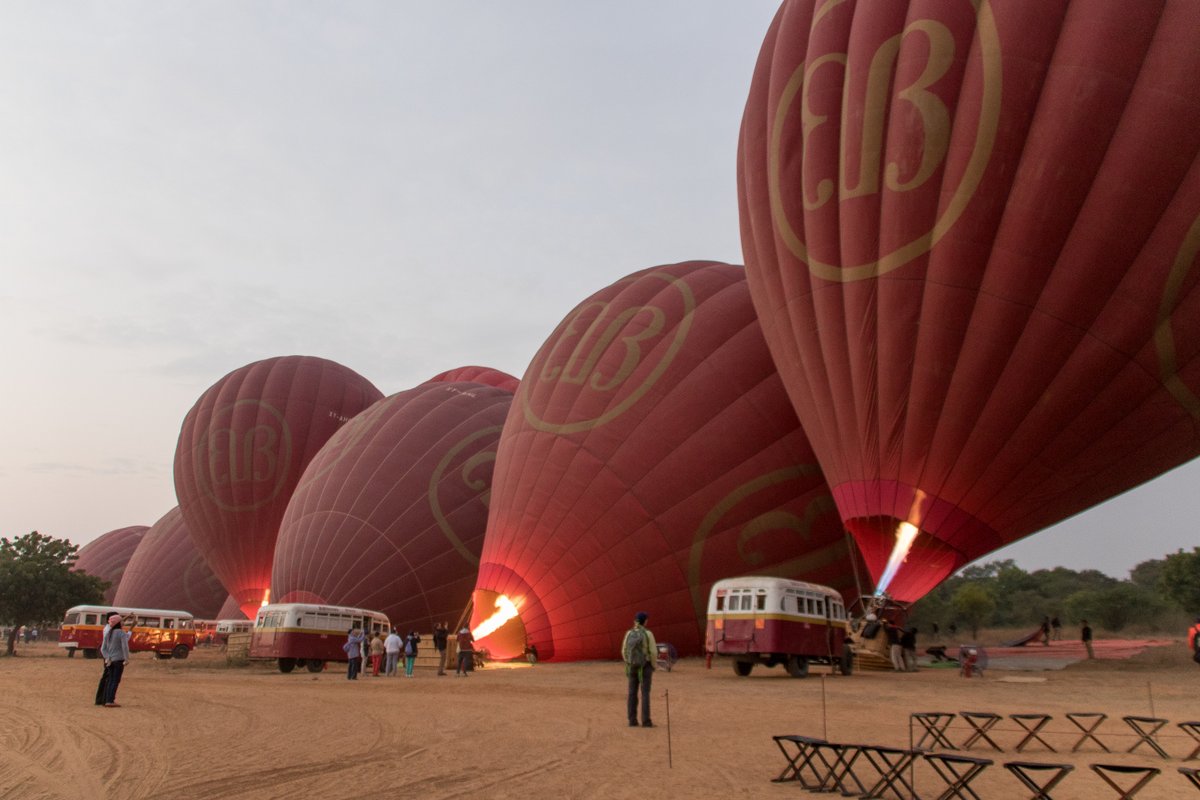
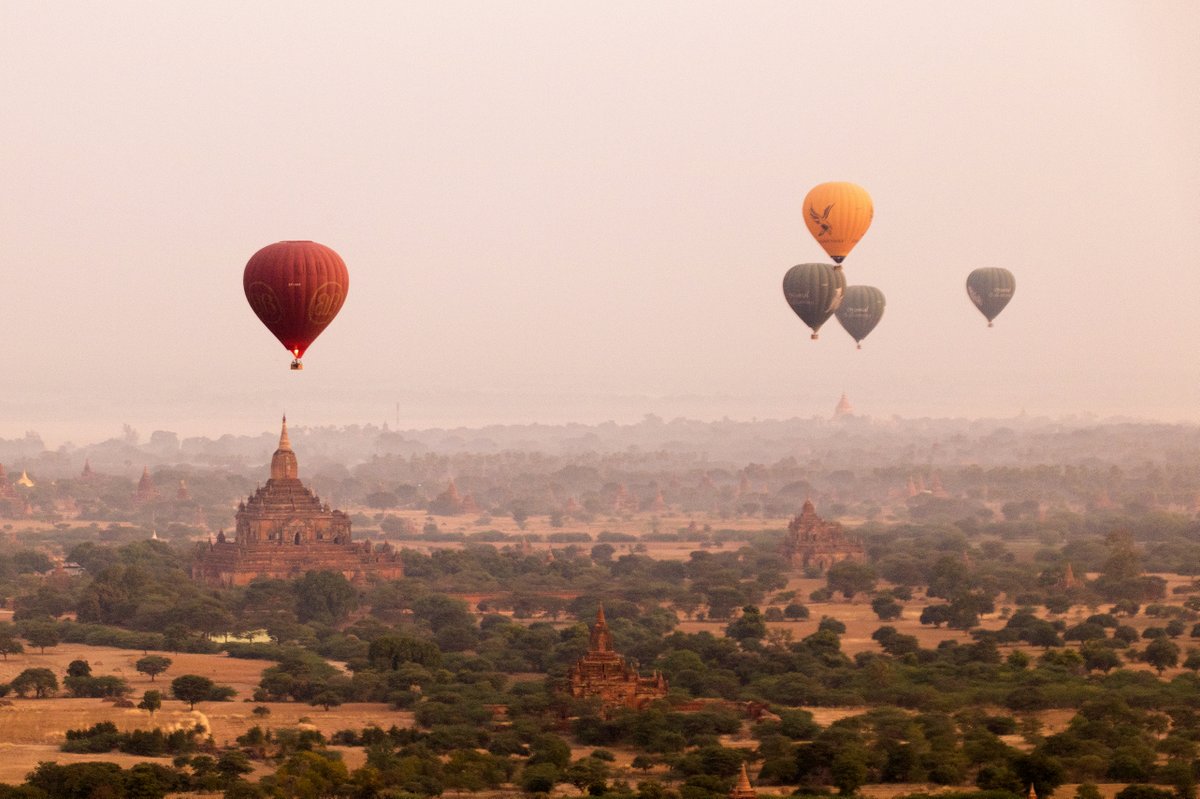
We took off just after dawn and it was a marvellous sight to have so many balloons in the air at the same time. The view of the hundreds of temples from the air is stunning. There was quite a strong wind, so our flight was a little shorter than normal and forty minutes later, our pilot was expertly manoeuvring us into a gentle landing in a field, where we were treated to a few glasses of champagne and some cake for breakfast. It was an expensive trip at $300USD each, but worth every penny.
After a proper breakfast back at the hotel, we hired a pair of e-bikes (motor scooters with electric motors) and went off on our own to explore more temples including the very large Ananda Temple. There’s a religious festival being staged at Ananda, so many local people are traveling into Bagan from outlying villages. They arrive on ox-carts and have set up camp, near to Ananda. Their makeshift tents are set up between the ancient stupas making an interesting sight.

There are lots of tourist restaurants in the area around the hotel, so we ventured out and had an Indian Curry for a change from Myanmar food, but it was very mediocre.
22 January 2016 Bagan to Kalaw, Myanmar
Our driver picked us up after a substantial breakfast and drove us to the town of Kalaw - five hours away. After a couple of hours, we stopped at Mount Popa where there’s a monastery perched on top of a small, steep-sided, rocky mountain. It looks incredible from a distance - just what you’d expect a Buddhist Monastery to look like.
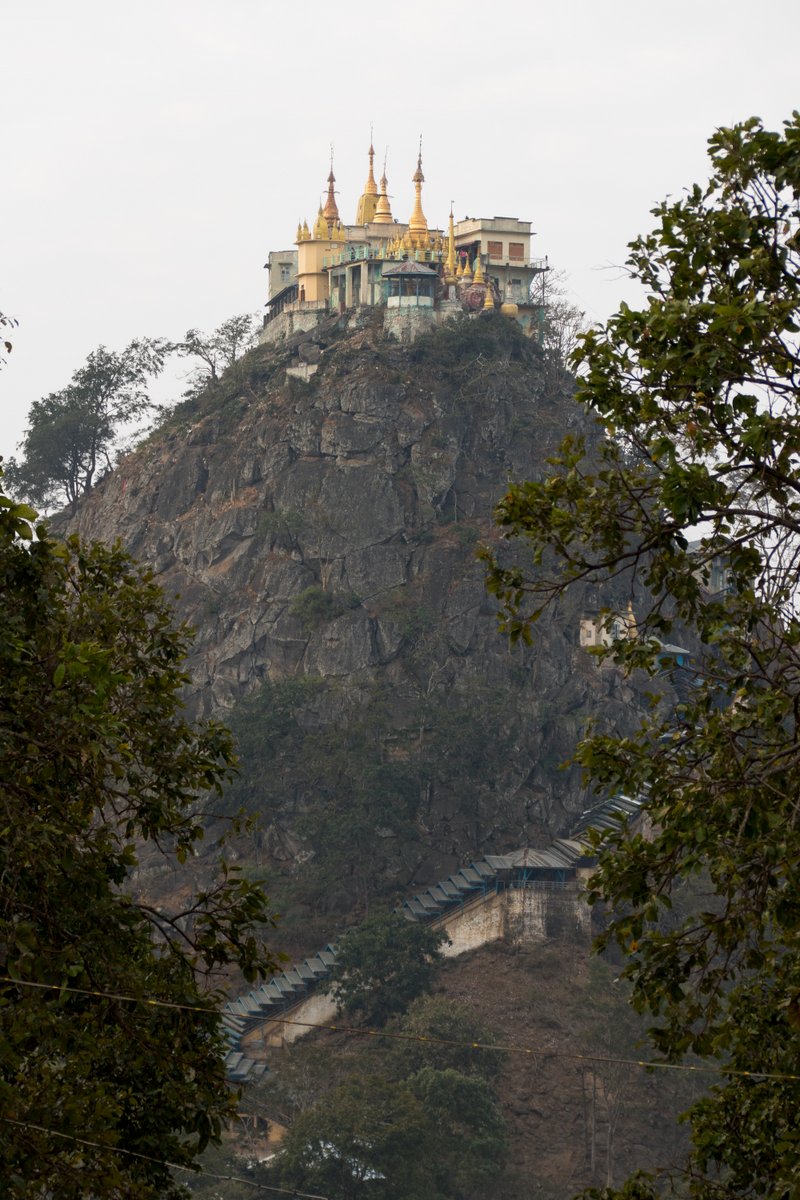
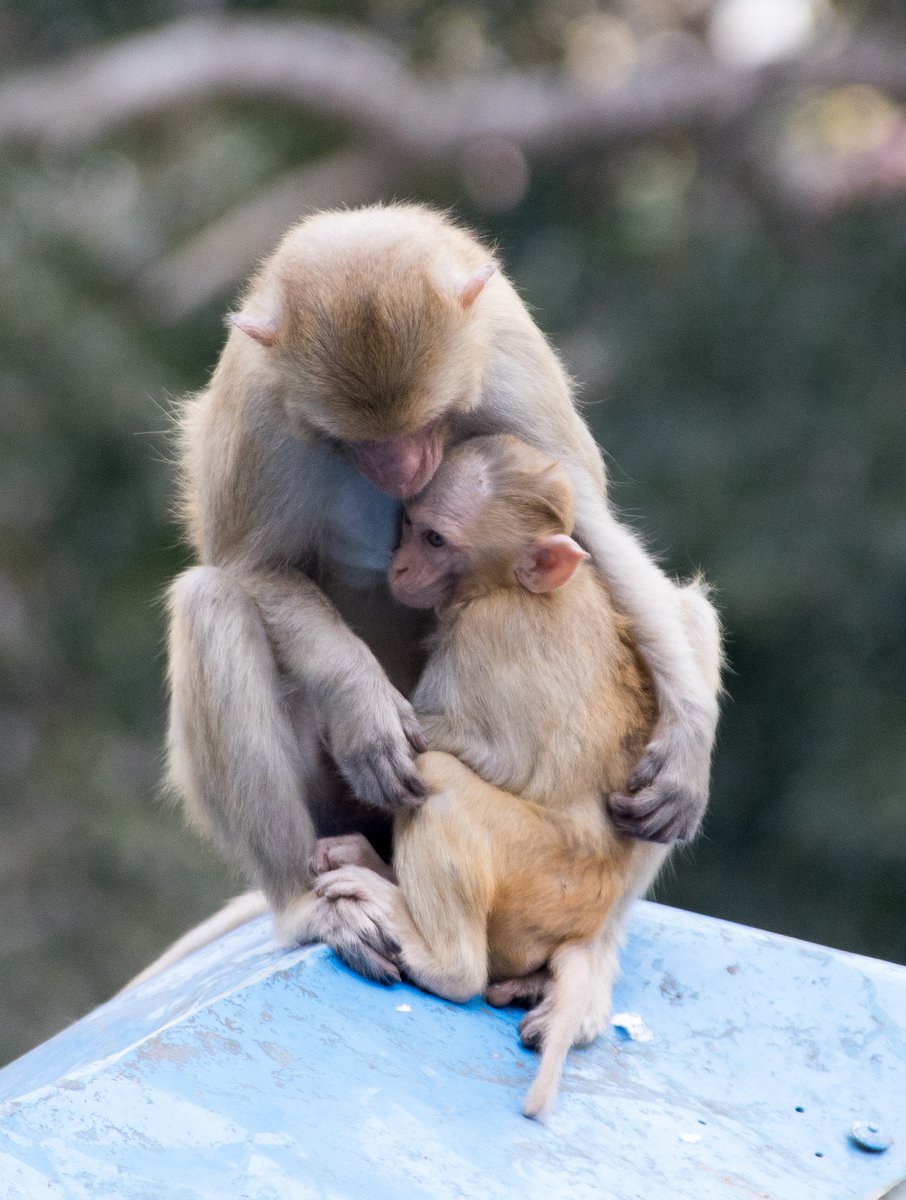
The driver dropped us off at the village underneath the monastery and we started the long climb up hundreds of concrete steps. Being a sacred place, it is forbidden to wear shoes, so we trudged up in bare feet, which was fine apart from the poo left by the hundreds of Long Tailed Macaques, who live on the mountain and beg for food. Fortunately, there are scores of enterprising men, who continually sweep the steps and then beg for money.
As usual, all the way up the steps, there are hundreds of small shops selling souvenirs to the pilgrims who flock to this holy place. The monastery itself is non-descript and rather scruffy, but the view from the top of the mountain is worth the climb.
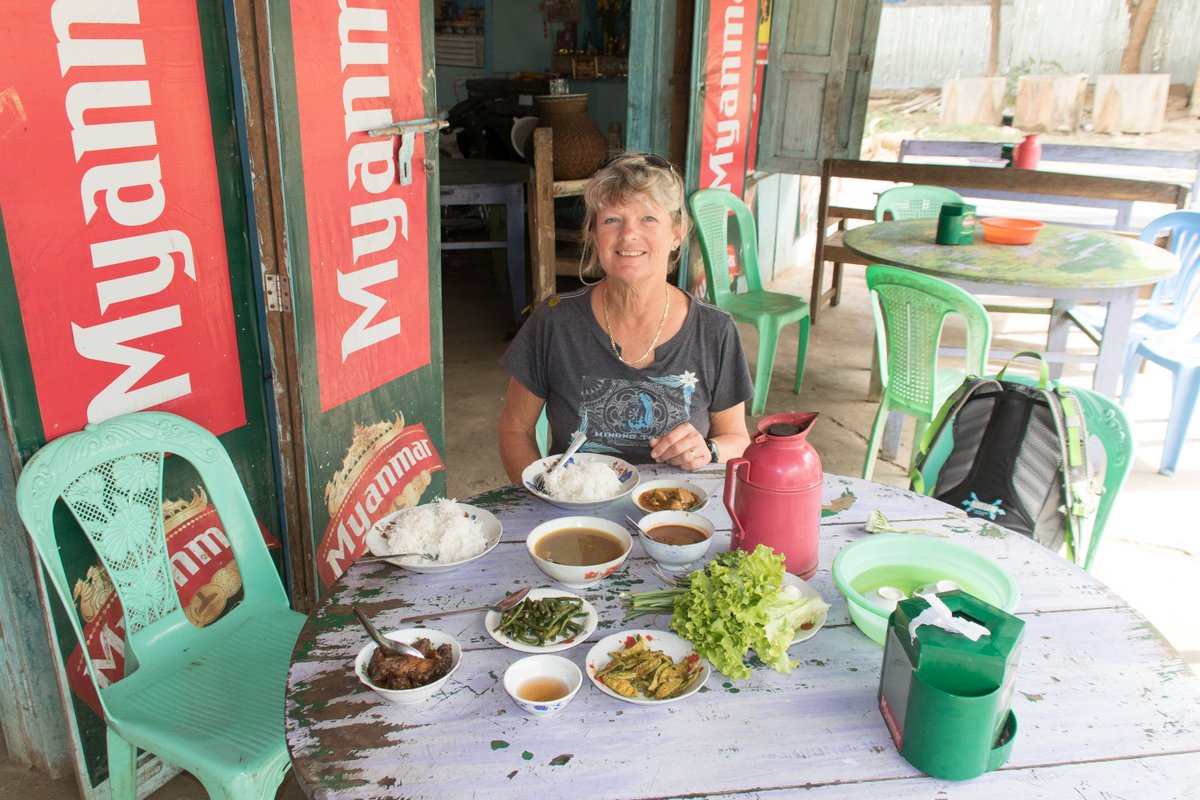
Back in the car, we stopped at a small road side eatery, which was very run-down. Our driver ordered the food for us and it was interesting that we had a main meal accompanied by lots of small side dishes even in this very down market restaurant.
The Dream Villa Hotel in Kalaw is basic, but clean and they told us that a guide is coming at 08:30 tomorrow to take us on a three day trek. In evening, we went out and walked around the bustling little town. We had a beer at one restaurant and then a dahl curry at a place called Everest which strangely is run by people from Nepal. Apparently, at the end of the Second World War, many Gurkhas from the British Army were based in Burma and settled here.
23 January 2016 Kalaw to La Mine Village, Myanmar
We polished off a huge American style breakfast – fruit, pancake, eggs on toast. Our guide Zho Zho arrived at 08:30. He was only 18 years old and this was one of his first trips as a guide, so he was very nervous. To make matters worse, he doesn’t speak much English and was very worried despite us trying to ease his mind.
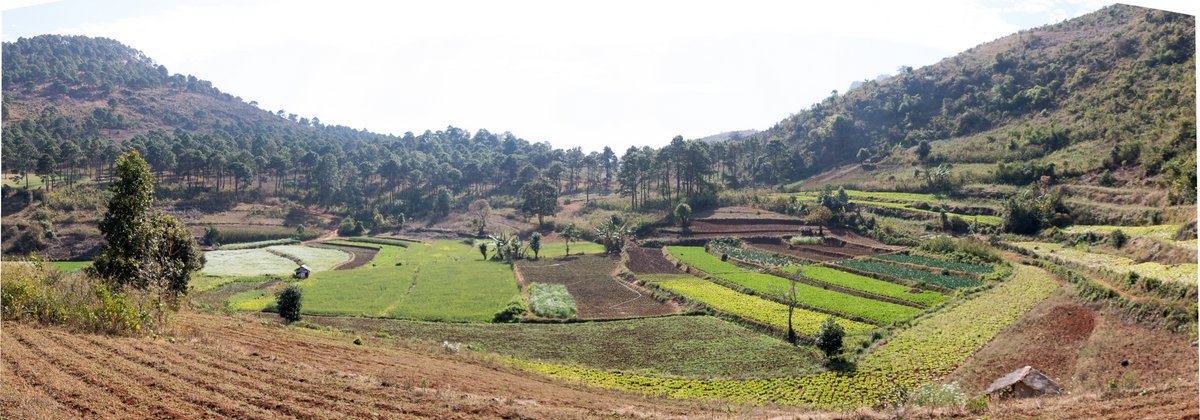
After walking through the local market where villagers bring in their produce, we headed off into the hills surrounding the small town. The paths wandered through a pleasant pine forest, very reminiscent of the lower slopes in the European Alps.
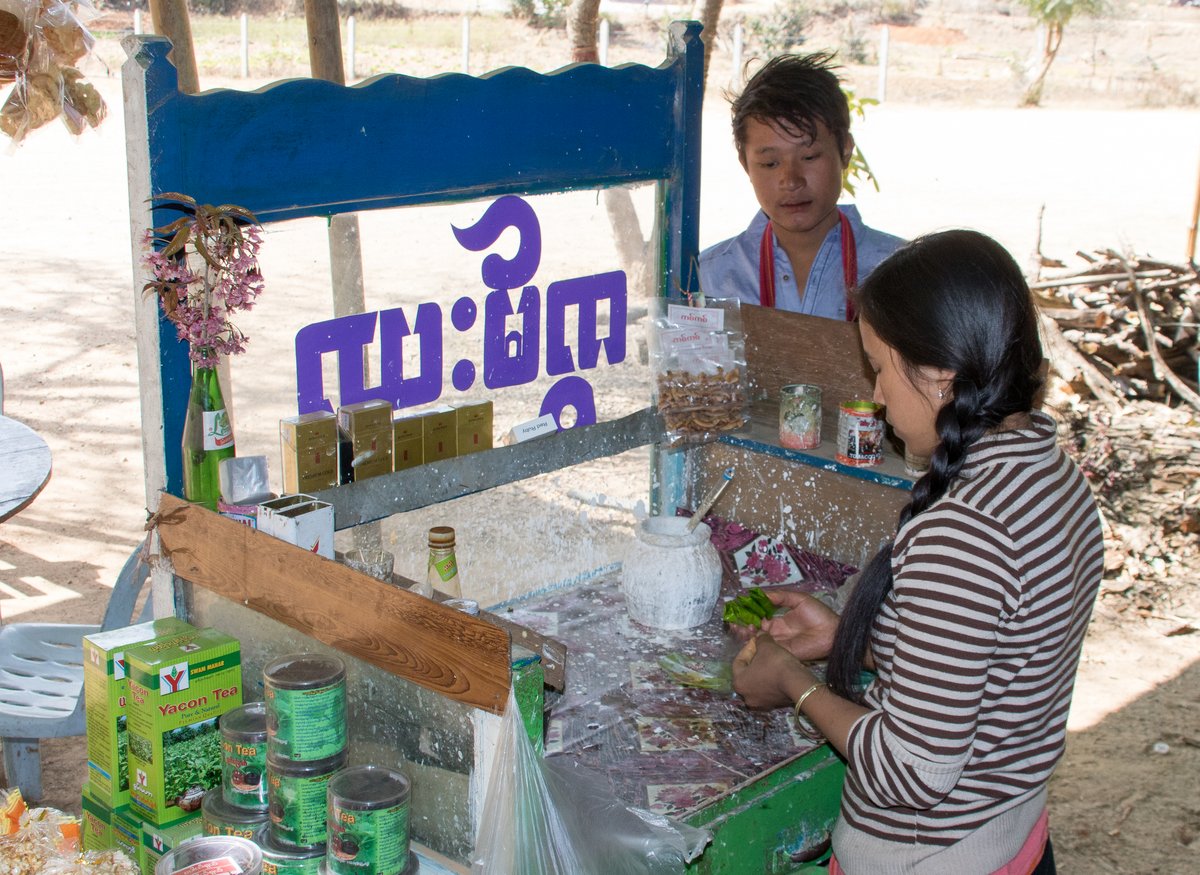
We stopped for lunch at the Myin Ma Hit caves, where we were served with another huge multi-dish lunch. At the front of the restaurant, there was a small table with a sign, which I’ve seen at several places over the last couple of weeks. It turns out that it’s a stand to sell Betel Nut. In Papua New Guinea, they carry the three raw ingredients; Betel-nut, Mustard Leaf and Lime Powder around in a small bag. Here in Myanmar, they purchase convenient little packages of chopped Betel Nut, mixed with lime power and spices, all wrapped up in a mustard leaf - ready to pop into your mouth.
After lunch, we popped into the Myin Ma Hit caves, where we spent and interesting half an hour walking around the caves looking at the hundreds of Buddahs perched on shelves and alcoves carved out of the rock.
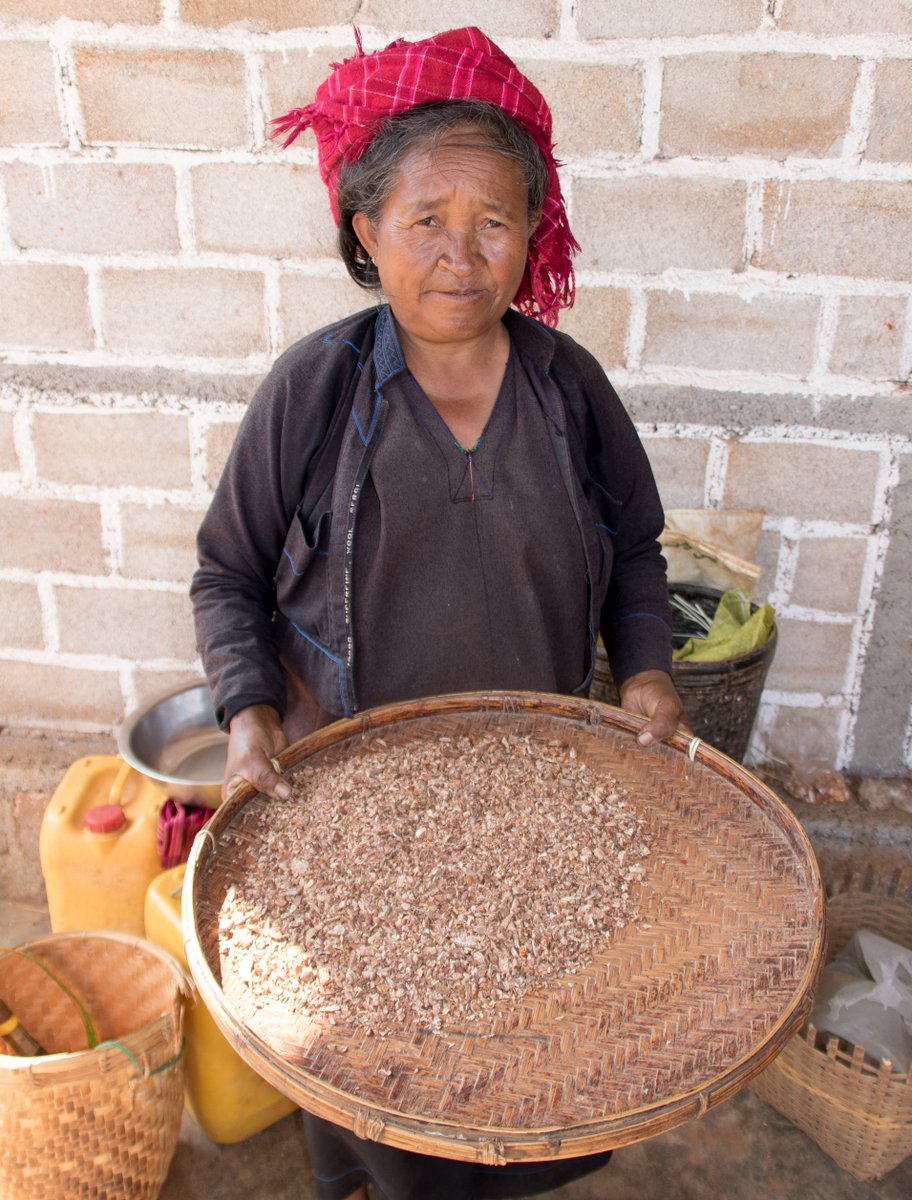
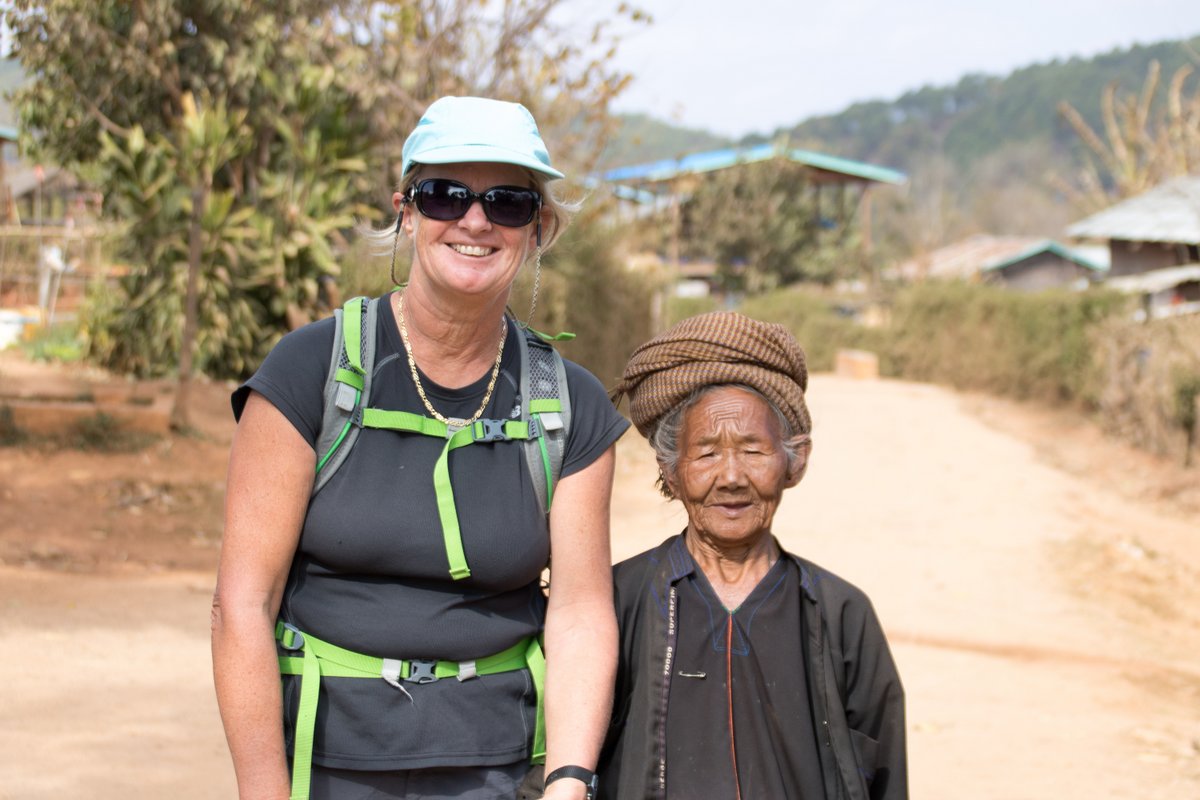
We walked for an hour or so and then stopped off in a small village called Inwan. An old lady invited us into her house for a chat, but it was a little strained because Zaw Zaw wasn’t too good at translating. The lady was very nice though and showed us her stash of Betel Nut, which she was in the process of sieving after chopping it up. As we were leaving the village, we met an 81 year old lady, who was tiny compared to Glenys. She was dressed in the traditional clothes of the Baho tribe.
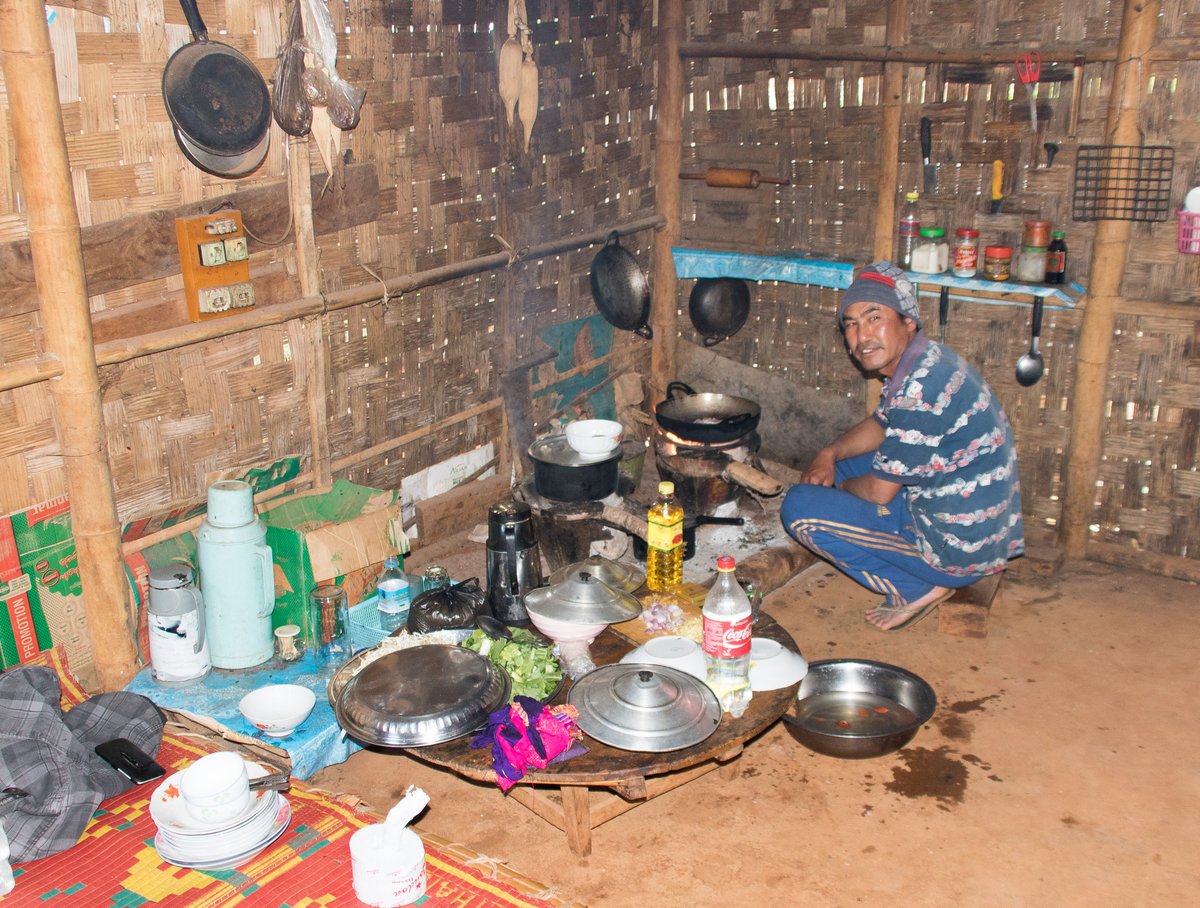
Zho Zho got a bit lost, but eventually found his way to La Mine Village where we stayed for the night. The guiding organisation sends out a cook to prepare the evening meals for the tourists who are staying in a home stay. I guess that they’ve had tourist complain about bad meals. The cook was brilliant and prepared us (another) huge meal of curried fish, rice and four vegetable dishes and even a dish full of French Fries.
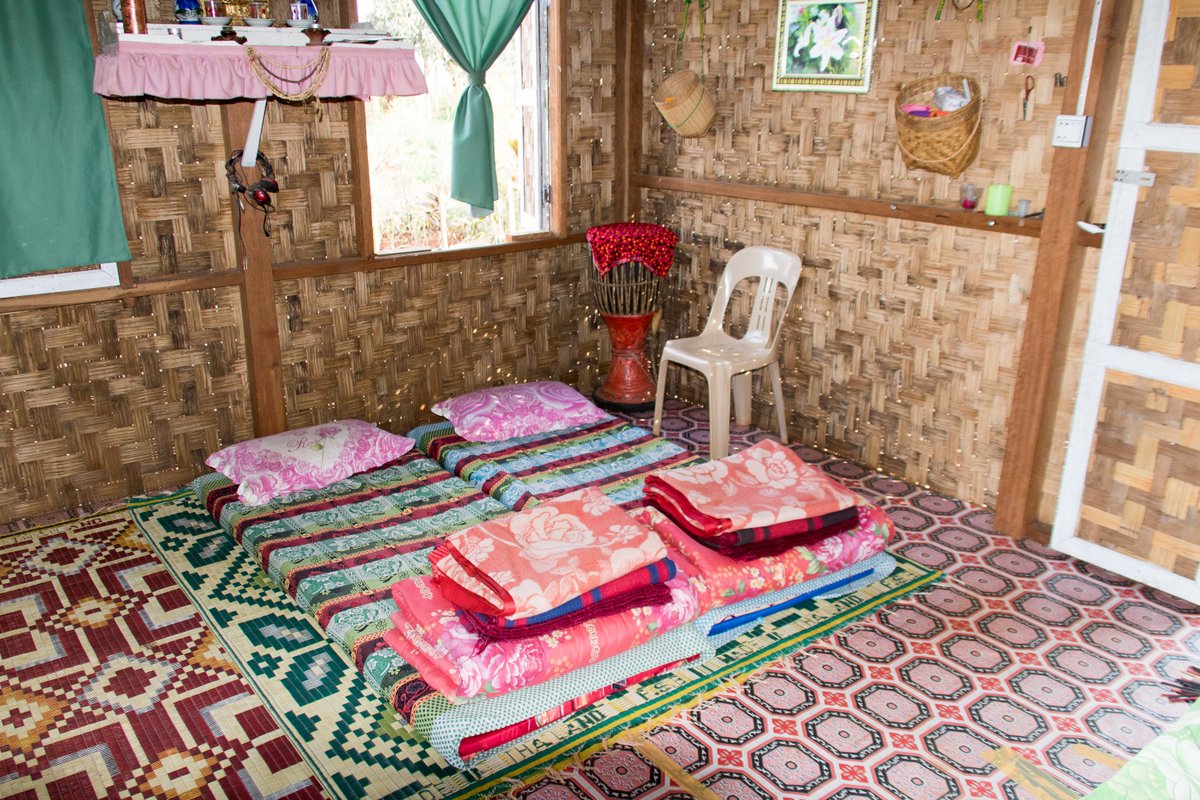
We slept in the family's living room while they and their young girl slept in a bedroom. Zho Zho and the cook slept in the kitchen, which was a separate building.
24 January 2016 Kalaw to Htee Thein Monastery, Myanmar
It wasn’t the best night’s sleep that I’ve had – the thick blankets on top of me were threatening to crush my chest. Our personal cook produced fruit, pancakes and a fried egg for breakfast – I’m starting to miss Mohinga with noodles and stir fried vegetables.
We had a very pleasant three hour hike, through farm land with various crops including corn, wheat, bitter mustard (whatever that is) and chilies. It seems to be the season for chili because there are fields and fields of the two foot high plants, brimming with bright red chilies. The farm workers are out in force laboriously hand-picking the chilies and placing then in woven baskets on their backs – it looks damn hard work. In the fields and villages, there are bright red patches where chilies are spread out to dry in the sun, with ladies picking through them or turning them over.

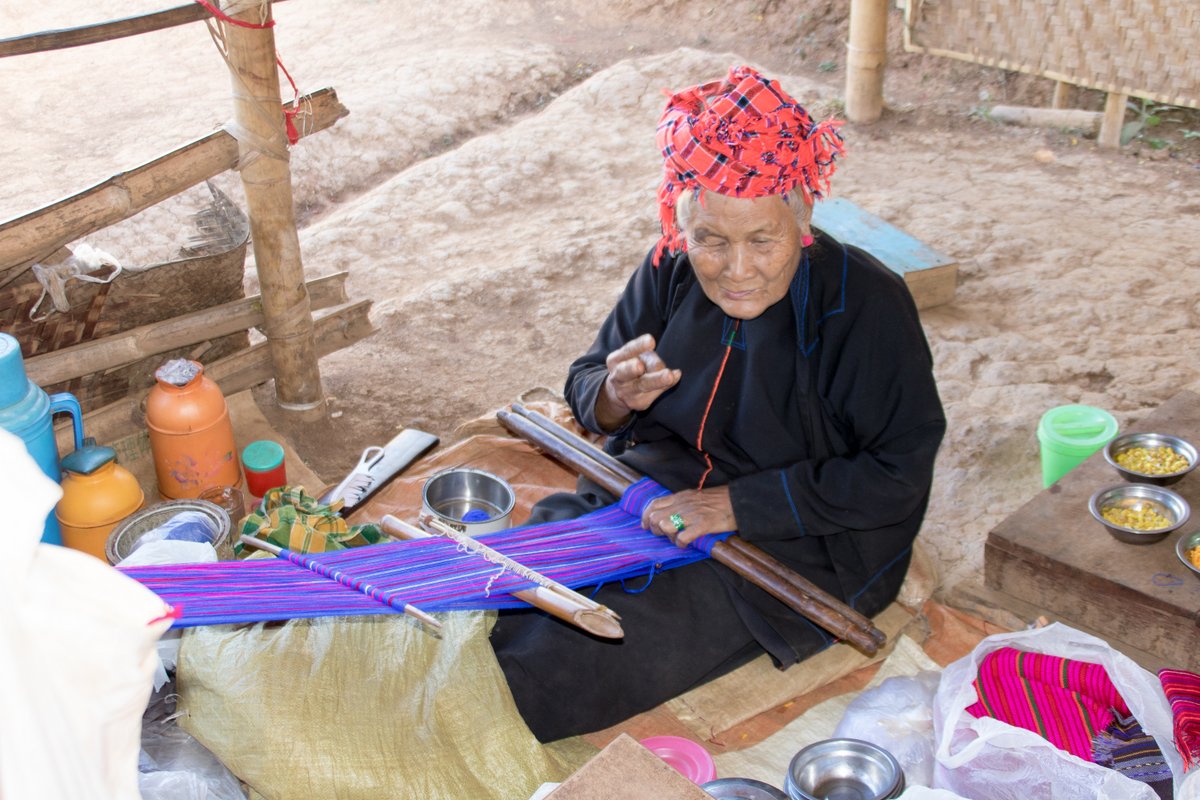
The area that we were passing through was Southern Shan and is inhabited the Baho tribe, who seemed a bit more reserved that the other people that we’ve met. Zho Zho told us that they don’t mix well with other Myanmar people, have their own language and don’t often marry outside their tribe. We stopped off at one village where an old lady showed us how they traditionally weave on a hand loom. Glenys bought a hand-woven Shan bag from her.
We had lunch at Kone La village in someone’s living room compete with a young boy watching an Anime cartoon. They prepared us a fried noodle dish, which wasn’t very spicy, so I asked for some chopped chili, which we normally get with every meal. However, they didn’t have any, which seemed very odd considering the millions of chillies drying in the village. Eventually, they managed to rustle up a plate of pan-fried chilies.
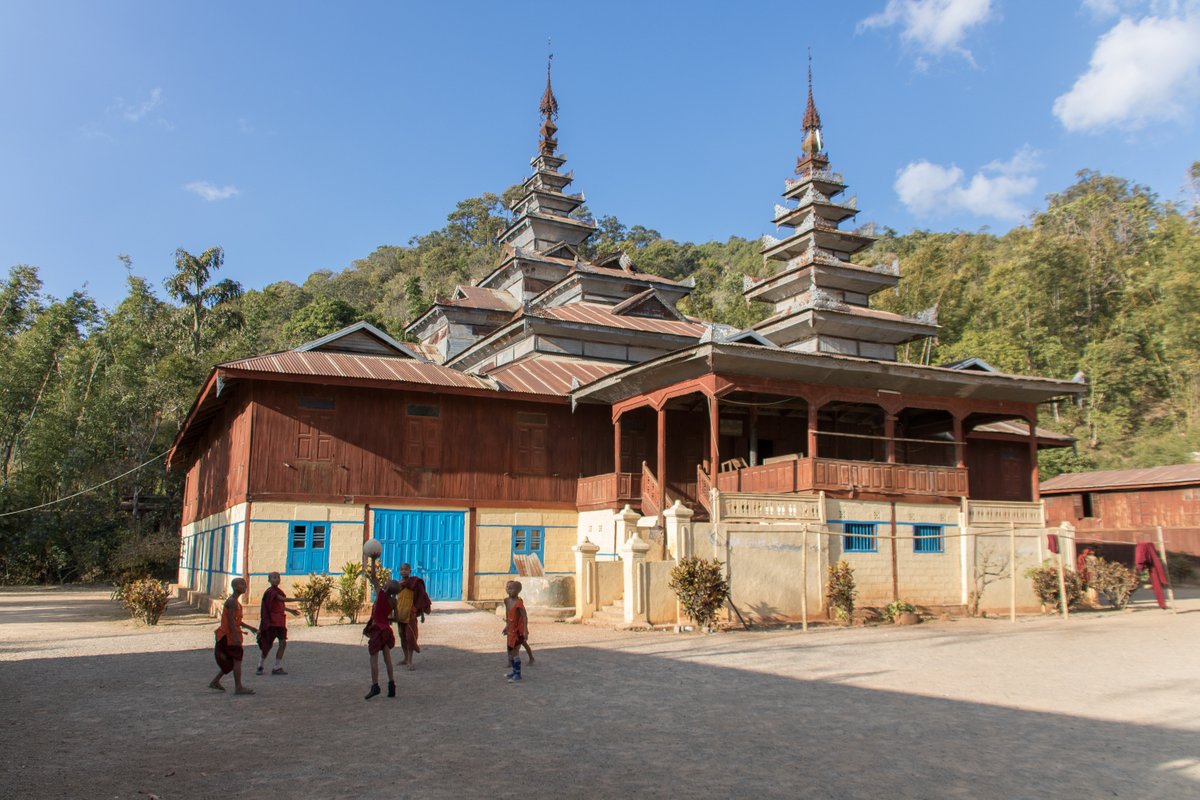
The afternoon was a pleasant three hour walk, ending up at the Htee Thein monastery where we booked in to spend the night. It’s a small run-down monastery with a dozen or so young novices and a hand full of adult monks. We were allocated a first floor room in a separate building all to ourselves, where we found the usual two sleeping pads and several blankets. Tourism is obviously big business for the monks because in the main hall of the monastery, there were sleeping mats set up for about twenty other tourists, all side by side, so I think that we’ve been given the first class accommodation.
We had a strip-down wash in the monks’ washing area, which was basically a water filled trough behind a five foot high wall - it was cold, but very refreshing. The rest of the afternoon was spent watching the novices play football in the main yard - I added a photo of a Soccer-Monk to my collection.

Dinner was prepared by our personal cook and was another huge meal consisting of soup, a main dish of chicken curry, four plates of vegetables, rice and flambéed bananas for desert. It all sounds very glamourous, but we ate it on a very low table sat on the floor. We had a candle as well, but not for romantic purposes it supplemented the single, weak bulb in the room.
25 January 2016 Htee Thein Monastery to Inle Lake, Myanmar
The damn cockerels started at five o’clock, well before the sun peeked its head over the horizon (not that we were looking). It wasn’t the most comfortable of nights because the sleeping pads that they gave us were so thin that our bony old hips were digging into the floor. We were up at half past six just as the sun shone through the gaps in the wooden walls.
Our breakfast was eggs with toast and avocado, whereas the young novices tucked into curry and rice on the ground floor of our building - I was gutted... By half past seven, we were off on our travels again. Today’s route took us up over a ridge, then gradually down to Lake Inle, passing through some lovely countryside.

After a few hours, a thunderstorm passed close giving us the first rain that we’d seen since we arrived in Myanmar. Unfortunately, the path turned into a layer of sticky mud that stuck tenaciously to our boots, building up to one inch thick causing us to stop frequently to scrape off. Goodness knows what it would be like in the rainy season.
After five hours of walking, we arrived at Inn Dein where we had lunch at a restaurant. Bizarrely, the meal was cooked by our very own chef, who had driven here on his motorbike to use the restaurant’s kitchen. It was very tasty food, but again, there was far too much to eat.
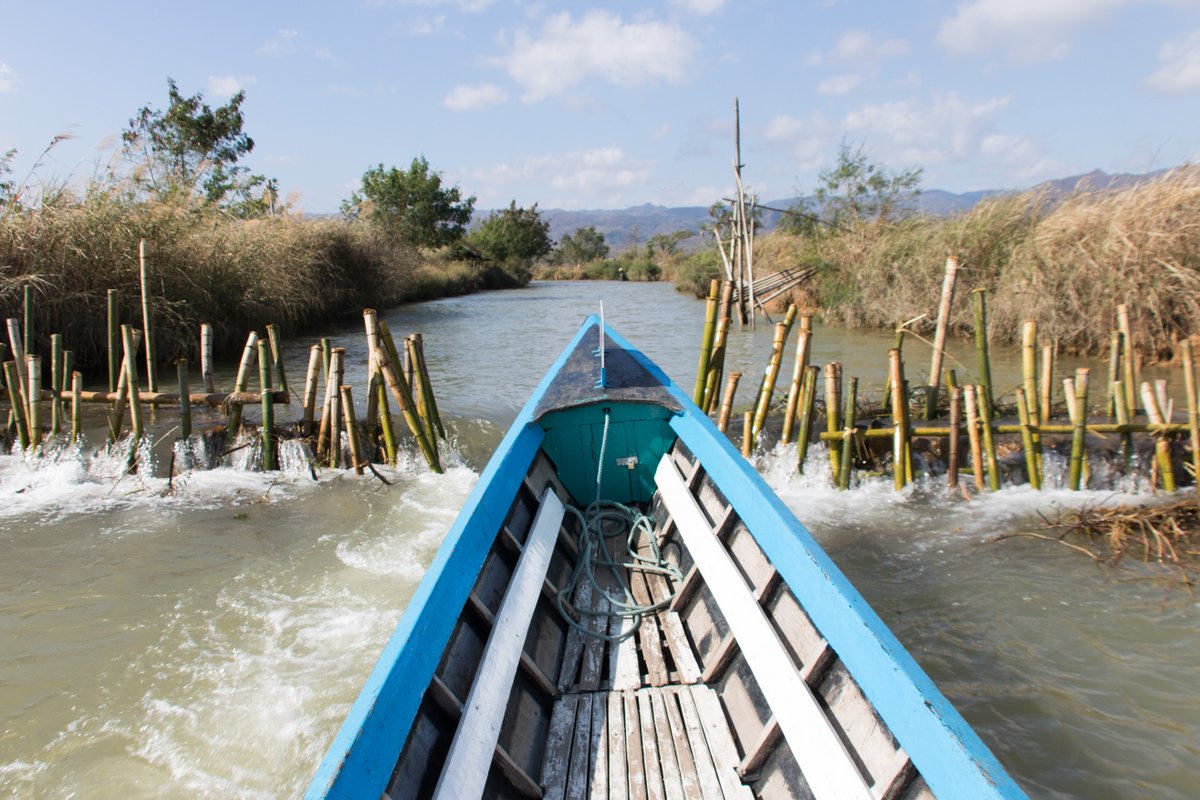
A long-tail boat driver met us at the restaurant and took us on a 30 minute ride through the canals of Lake Inle, which was interesting. The narrow canals have small weirs to slow down the flow of water out to the lake. There is about a foot of water difference at each weir and a narrow gaps in the middle allowing the long-tail drivers to zoom over the weirs with their flat bottomed, shallow draft boats - it’s exciting stuff.
We were dropped off at the Paramount Inle Resort. The hotel is built on stilts (over a swamp) and our room was pleasant, but the floor sloped disconcertingly towards the central corridor because the building is slowly sinking.
Our luggage was supposed to have been brought from Kalaw to the Paramount hotel, but hadn’t arrived. A few frantic phone calls revealed that our two bags had left in the morning on the back of a motorcycle, but it had broken down. The guiding company assured us that it would be delivered to the hotel sometime today. It rained heavily all afternoon, so we had visions of our luggage arriving soaking wet through and covered in mud, but thankfully, it arrived by five o’clock in perfect condition.
Being stuck in the middle of nowhere, we had no option but to dine in the hotel restaurant and it was expensive and mediocre.
When I had a shower this afternoon, I discovered that I’ve acquired a nasty rash on the right side of my chest that extends up to my neck. I rubbed Sudocreme (good for baby’s bottoms) into the rash and went to bed worrying that I’ve been bitten by bedbugs or some more horrible creatures while we were in the monastery.